
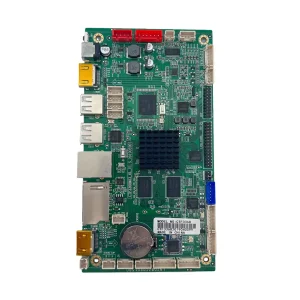
Proven Production Solutions
Featured Industrial & Harsh-Environment PCBA Assemblies
Below are 8 core PCBA product configurations engineered and assembled in our Shenzhen smart factory. Each platform features hardened component selection, automated SMT placement, robotic conformal coating, and strict IPC Class 2/3 quality control.
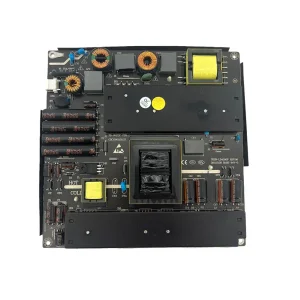
Power PCBA Production with Heavy DIP Assembly
Explore Product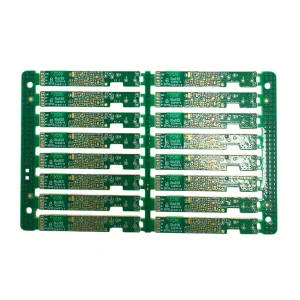
OEM Wearable & Outdoor Smart Tracker PCBA
Explore Product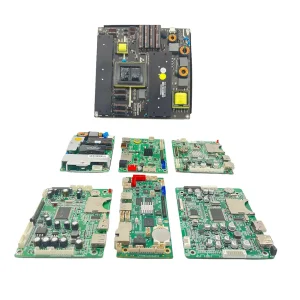
Turnkey OEM/ODM PCBA for Field Electronic Devices
Explore Product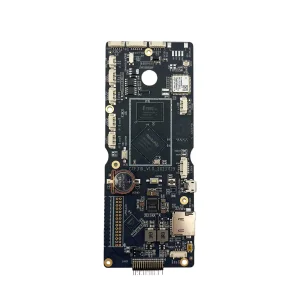
High-Density SMT PCBA for Smart Product Platforms
Explore Product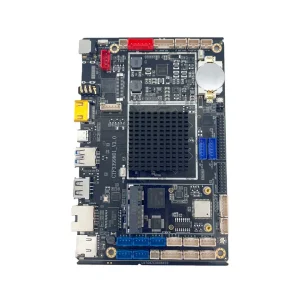
One-Stop PCBA Fabrication & Enclosure Assembly
Explore Product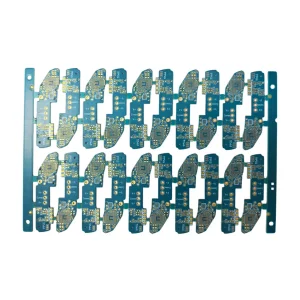
Acoustic & Rugged Audio Control PCBA Module
Explore Product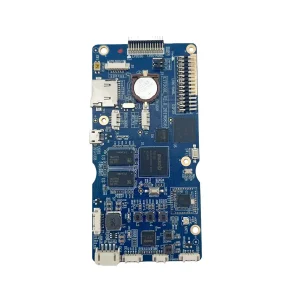
Custom Build-to-Print PCBA from Gerber & BOM Data
Explore Product
Engineering White Paper
Engineering Reliability: Demystifying Outdoor Electronics PCBA Challenges
Electronic assemblies operating in outdoor environments exist under permanent climatic aggression. Unlike commercial-grade computing or indoor consumer electronics, outdoor electronics PCBA—deployed across smart grid sensors, electric vehicle supply equipment (EVSE), telecommunication microcells, solar micro-inverters, and offshore marine monitoring—must survive simultaneous mechanical, chemical, and thermal assaults over decades of field operation without maintenance.
-40° / +125°C
Thermal Shock Range
98.5%+
First-Pass Yield (FPY)
<10%
BGA Void Threshold
1000+ Hrs
Salt Fog Survival (ASTM B117)
Moisture & Dew-Point Condensation
Diurnal temperature swings generate relative humidity condensation inside sealed NEMA/IP enclosures. Without barrier protection, moisture triggers Electrochemical Migration (ECM), dendritic copper growth across fine-pitch IC leads, and catastrophic short circuits.
- Surface Insulation Resistance (SIR) degradation prevention
- Selective conformal coating with zero capillary bridging
- Hydrophobic fluoropolymer and silicone vapor protection
Atmospheric Corrosion & Sulfurization
Industrial and coastal atmospheres contain airborne sulfur dioxide (SO₂), hydrogen sulfide (H₂S), and sodium chloride (NaCl). Standard silver-terminated resistors suffer silver sulfide (Ag₂S) migration, leading to open-circuit field recalls.
- Anti-sulfuration passives with gold/dielectric barriers
- Electroless Nickel Electroless Palladium Immersion Gold (ENEPIG)
- IPC-CC-830 certified moisture-repellent formulations
Thermal Fatigue & Mechanical Stress
Coefficient of Thermal Expansion (CTE) mismatch between FR4 laminate, ceramic packages, and copper planes causes solder joint micro-cracking under repetitive thermal expansion. Heavy vehicle vibration further escalates mechanical fatigue.
- High-Tg (>170°C) and low Z-axis expansion laminates
- Micro-alloyed SAC305 / Innolot solders with high creep resistance
- Corner bonding and component underfill for high-mass BGAs
Strategic Sourcing
Global Enterprise Procurement: Mitigating Total Cost of Ownership (TCO)
For enterprise purchasing directors in North America, Europe, and Asia-Pacific, the unit price on a quotation represents less than 35% of the total product lifecycle expenditure. An outdoor PCBA failure results in field technician truck rolls, hazardous crane deployments, safety liability, and brand degradation. Sourcing resilient electronics requires evaluating manufacturing depth, trace integrity, and environmental validation.
| Evaluation Parameter | Standard Commercial PCBA | High-Reliability Outdoor PCBA (Aozite Standard) | Procurement Risk Mitigation Impact |
|---|---|---|---|
| Base Laminate Quality | Standard Tg (130-140°C), Normal CTE | High Tg (>170°C), Low Z-CTE (<2.8%), CTI ≥ 600V | Prevents delamination, blister formation, and CAF breakdown |
| Solder Alloy Formulation | Standard SAC305 (Sn96.5Ag3.0Cu0.5) | High-Reliability Innolot (Bi/Sb/Ni doped) or SAC305 + Doping | 400% extended creep endurance under -40°C to +125°C cycling |
| Surface Protection | Uncoated or Manual Brush Acrylic | Precision Robotic Selective Conformal Coating (IPC-CC-830) | Guarantees 100% pin coverage with zero shadow voiding |
| BGA / QFN Void Standards | IPC-A-610 Class 2 (≤25% void area) | IPC-A-610 Class 3 / Automotive standard (≤10-15% void area) | Maximizes thermal conduction, prevents thermal runaway under load |
| Component Verification | Standard commercial temp (0°C to 70°C) | Industrial temp grade (-40°C to 85°C/105°C), Anti-sulfur rated | Eliminates catastrophic field failure in extreme winter/summer cycles |
Design for Manufacturability (DFM) as an Economic Hedge
At Aozite Technology, every incoming Gerber and BOM portfolio undergoes an extensive 48-hour DFM/DFA/DFT scrub. We identify thermal relief insufficiencies, inadequate creepage distances (per IEC 60664-1), component thermal shadows, and end-of-life (EOL) semiconductors before a single dollar is committed to raw copper or stencil tooling.
Sector Solutions
Macro Industry Solutions: Targeted Outdoor Architecture
Different outdoor operational profiles present distinct physical stress factors. Our automated SMT lines, DIP wave soldering stations, and environmental screening departments adapt their manufacturing parameters to the target operating arena.
Renewable Energy & Inverters
Solar central inverters, micro-inverters, and commercial battery storage (BESS) require high current handling and galvanic isolation under continuous UV and high-ambient heat.
- Heavy copper PCB inner/outer layers up to 6oz
- High Comparative Tracking Index (CTI 600V FR4)
- Direct Bonded Copper (DBC) & Aluminum MCPCB processing
EV Charging Infrastructure (EVSE)
DC fast chargers combine sensitive high-speed Linux processing units alongside megawatt-level power converters subjected to rain, dust, and continuous mechanical shock.
- Integrated optocoupler isolation barrier compliance
- Selective potting of inductors and primary switching transformers
- Automated high-pot testing up to 5,000V AC
Smart City, 5G & Edge Sensing
Outdoor cellular small cells, environmental air sensors, and camera gateways operate continuously in dense urban pollution with minimal enclosure volume.
- Controlled impedance differential routing (±7%)
- Precision RF shielding cans with automated gasket placement
- Hydrophobic surface treatments preventing water film attenuation
Advanced Protection
Conformal Coating & Solder Joint Metallurgy
The integrity of outdoor electronic circuitry relies fundamentally on two engineering shields: the chemical barrier protecting the assembled surfaces, and the metallurgical resilience of the intermetallic compound (IMC) formed between component terminations and PCB pads.
Acrylic (Type AR)
Best For: Cost-sensitive commercial outdoor monitors and weather-resistant consumer gadgets.
Provides basic moisture and fungal resistance. Easy to rework and strip during prototyping. High dielectric constant but limited chemical solvent and vapor barrier endurance.
Silicone (Type SR)
Best For: High-heat outdoor luminaires, industrial drives, and engine compartments (-50°C to +200°C).
Exceptional flexibility, high thermal stability, and dampens mechanical vibration. Absorbs CTE expansion strain without shearing delicate 0201 solder joints.
Polyurethane (Type UR)
Best For: Marine equipment, agricultural sensors, and coastal infrastructure exposed to salt fog and chemicals.
Outstanding chemical, salt spray, and abrasive wear resistance. Forms a dense barrier against tin whisker growth and electrochemical migration under high humidity.
Closed-Loop SMT Quality Assurance Infrastructure
Our manufacturing line integrates 100% 3D Solder Paste Inspection (SPI) to detect volume deviations, height anomalies, and paste bridging before component placement. Following convection reflow in 10-zone nitrogen-purged ovens, dual 3D Automated Optical Inspection (AOI) systems inspect for component skew, tombstoning, and solder meniscus formation. Hidden BGA and QFN terminations are verified through 100kV High-Resolution X-Ray with automated void analysis.
Global Compliance
Full Traceability, Regulatory Compliance & Factory Audits
Overseas buyers operating across North America, Europe, and developed markets require comprehensive documentation to guarantee import compliance and lifecycle warranty protection. Shenzhen Aozite Technology maintains full closed-loop traceability from raw wafer lot to packaged container.
Unit-Level Laser Serialization
Every outdoor circuit board receives an individual high-contrast 2D DataMatrix code laser-engraved onto bare copper. This code anchors the entire digital production passport: reel lot numbers, SMT machine placement heads, reflow temperature profiles, and AOI image logs.
RoHS 3, REACH & Conflict-Free
All procured bill-of-materials components are certified compliant with EU Directive 2015/863 (RoHS 3), REACH SVHC standards, and Section 1502 of the Dodd-Frank Act regarding conflict-free minerals. Complete material declaration packages accompany production batches.
Transparent On-Site & Video Audits
We facilitate comprehensive technical evaluations for international quality teams. Clients may conduct on-site factory audits in Longgang, Shenzhen, or initiate scheduled live high-definition video audits inspecting our electrostatic discharge (ESD) flooring, moisture-sensitive device (MSD) dry cabinets, and test suites.
Technology Roadmap
Engineering Roadmap: Future-Proofing Outdoor PCBA (2025–2030)
As outdoor devices incorporate artificial intelligence edge processing, higher power densities, and wider frequency bands, manufacturing techniques must evolve. Aozite Technology continues to invest in emerging substrate technologies and advanced packaging architectures.
Wide Bandgap (GaN & SiC)
Gallium Nitride (GaN) and Silicon Carbide (SiC) power switching requires specialized PCBA layouts with ultra-low parasitic loop inductance. We support copper coin inlay, embedded heavy copper, and planar transformer assembly for next-generation outdoor power units.
Sub-Zero Self-Heating Substrates
For sub-arctic deployments (-50°C), our engineering department is prototyping embedded PCB planar heating elements controlled by low-power microcontrollers to warm battery packs and sensitive crystal oscillators before core system boot.
Plasma Surface Activation
To eliminate coating delamination, atmospheric plasma surface treatment is being deployed across high-density lines. Plasma cleaning alters substrate surface energy, creating molecular covalent bonds that boost conformal coating adhesion by over 300%.
Comprehensive Catalog
Selected Turnkey PCBA Production Capabilities
Review our primary high-mix, medium-to-high volume PCBA assembly classifications. Complete turnkey services encompass PCB manufacturing, authorized distributor component sourcing, precision SMT, through-hole wave soldering, and functional circuit testing (FCT).
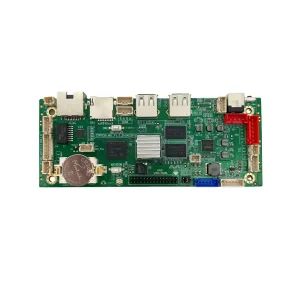
PCBA Assembly for Outdoor IoT Control Boards
Explore Product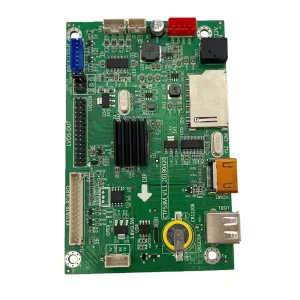
Professional SMT Production for Electronics OEMs
Explore Product
Industrial Grade Automation & Sensor PCBA
Explore Product
High-Efficiency Power Inverter & Supply PCBA
Explore Product
Ultra-Low Power Smart Telemetry PCBA Board
Explore Product
Rugged Electronic System Board Manufacturing
Explore Product
Wireless Mesh Gateway & Router PCBA Board
Explore Product
Complete Turnkey Box Build & Testing Assembly
Explore Product
Procurement Knowledge Base
Frequently Asked Questions: Outdoor PCBA Manufacturing
Detailed technical and procurement answers addressing reliability specifications, qualification procedures, and production parameters for outdoor hardware programs.
How do you prevent Electrochemical Migration (ECM) on outdoor boards?
Electrochemical migration requires three elements: an electrolyte (condensed moisture), a voltage gradient, and mobile metal ions (typically tin or copper). We neutralize this risk through a three-stage safeguard: first, achieving ultra-low ionic contamination (<0.5 µg/cm² NaCl equivalent) via closed-loop deionized aqueous wash systems; second, optimizing spacing per IPC-2221B standards; and third, applying robotic conformal coatings that eliminate pinholes and create an impermeable moisture barrier.
What conformal coating is recommended for marine and coastal deployments?
For coastal installations exposed to sodium chloride (NaCl) salt fog and airborne moisture, we recommend high-grade Polyurethane (Type UR) or specialized two-component Silicone (Type SR) formulated to IPC-CC-830C and UL 746E standards. These chemistries offer high resistance to salt spray corrosion (surpassing 1,000 hours in ASTM B117 testing) and exhibit minimal moisture vapor transmission (MVTR) compared to standard acrylic coatings.
How do you control BGA and QFN thermal pad voiding on high-power PCBA?
High voiding rates in thermal pads trap air, raising thermal resistance and leading to semiconductor junction overheating in unconditioned outdoor enclosures. Aozite achieves solder void rates below 10-15% (well surpassing standard IPC Class 2 requirements) through optimized nano-coated stencils with windowpane aperture geometry, customized vacuum vapor phase or multi-zone nitrogen reflow profiles, and type 4/type 5 low-voiding solder paste chemistries.
Can you support component sourcing that guarantees anti-sulfur protection?
Yes. During our initial BOM engineering scrub, our procurement department identifies all chip resistors, arrays, and inductive terminations designated for outdoor use. We verify that passives adhere to ASTM B809-95 or EIA-977 anti-sulfuration standards. These components utilize inner terminations engineered with gold-based (Ag-Au) or palladium-based alloys that do not react with atmospheric sulfur compounds, preventing open-circuit field failures.
What Environmental Stress Screening (ESS) capabilities are available in-house?
Our Shenzhen testing facilities feature programmable thermal cycling chambers capable of ramp rates up to 10°C/min between -50°C and +150°C, combined with continuous electrical monitoring. We also provide power burn-in racks for 24- to 72-hour operational aging, elevated temperature burn-in testing, cyclic humidity testing, and external laboratory management for ASTM B117 salt spray and random vibration qualification.
What files are required to initiate an engineering DFM and quotation?
To generate an actionable quotation and DFM assessment, we require: (1) Gerber data in RS-274X or ODB++ format including fabrication drawings with stackup; (2) Complete Bill of Materials (BOM) detailing manufacturer names and exact manufacturer part numbers (MPN); (3) Pick-and-place centroid coordinates (X, Y, rotation, layer); and (4) Assembly drawings specifying masking areas, conformal coating keep-out zones, and functional testing specifications.
How does Aozite manage component obsolescence and supply chain disruptions?
We utilize automated supply chain integration with global component distributors (Digi-Key, Mouser, Arrow, Avnet) and verified direct manufacturer partnerships across Asia. When an outdoor-grade IC or passive reaches End-of-Life (EOL) or active lead-time expansion, our hardware team immediately provides pin-to-pin drop-in alternatives, verifying operating temperature envelopes, thermal dissipation metrics, and firmware compatibility before presenting changes for customer approval.
What quality standards govern your manufacturing and inspection workflows?
Our assembly operations adhere strictly to IPC-A-610 Class 2 standard by default and IPC-A-610 Class 3 for mission-critical industrial, automotive, and outdoor infrastructure applications. Soldering processes conform to J-STD-001, electrostatic precautions adhere to ANSI/ESD S20.20, and moisture-sensitive handling adheres to J-STD-033. Our facility operates under ISO 9001:2015 quality management standards with IATF 16949 automotive process alignment.