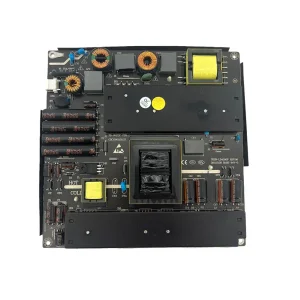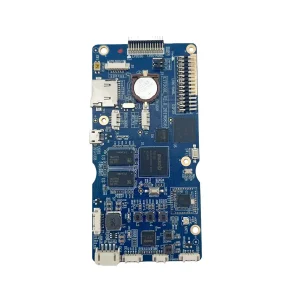
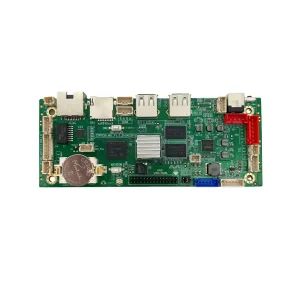
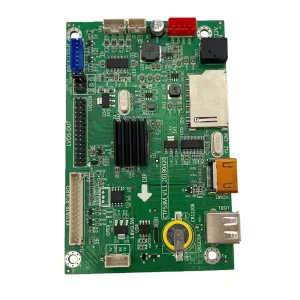
Certified Electronic Assembly Portfolio
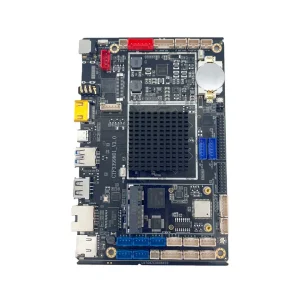
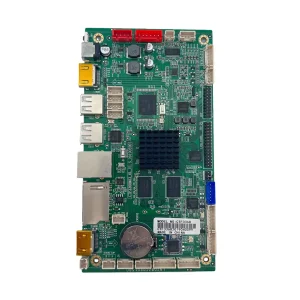
Featured High-Precision PCBA Solutions & Factory Products
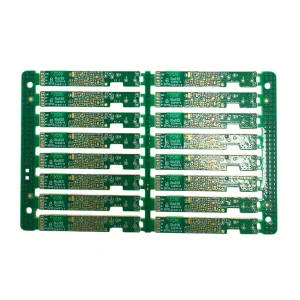
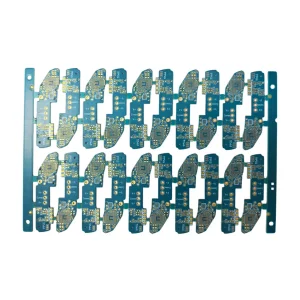
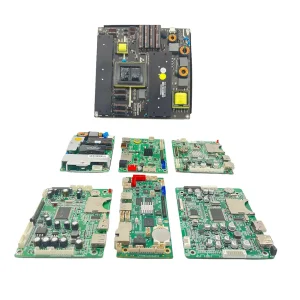
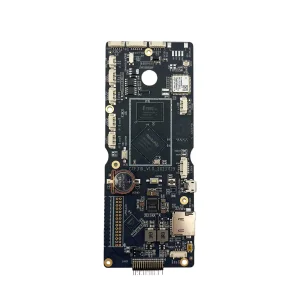
Every assembly produced at our Shenzhen facility undergoes rigorous Moisture Sensitivity Level (MSL) tracking, dry cabinet containment, and process-matched reflow profile engineering to eliminate micro-cracking and popcorning.
Technical Whitepaper Depth
Moisture Sensitivity Handling: Engineering Physics, Failure Mechanics & Standards
In modern surface mount technology (SMT), trapped hygroscopic moisture represents one of the primary latent failure mechanisms in ultra-fine pitch semiconductors, multi-layer ceramic capacitors (MLCC), and ball grid arrays (BGA). Understanding and mitigating vapor expansion during lead-free peak reflow temperatures (245°C–260°C) is paramount to zero-defect manufacturing.
Popcorning & Delamination Mechanics
When plastic encapsulated microcircuits (PEMs) absorb ambient humidity, moisture diffuses into the epoxy mold compound (EMC) interface. During reflow heating exceeding 217°C, trapped moisture vaporizes instantly, exerting hydrostatic pressures up to 30 MPa, inducing internal substrate delamination, bond wire shear, or catastrophic external mold rupture ("popcorning").
- Shear stresses exceed mold-to-die pad adhesion limits
- Latent defects fail during downstream field operation
- Micro-voids compromise dielectric isolation
IPC/JEDEC J-STD-033D Rigor
Compliance demands continuous floor-life calculation starting the exact second a Moisture Barrier Bag (MBB) is unsealed. Shenzhen Aozite implements real-time digitized barcode tracking that clocks cumulative exposure against maximum allowable floor life under factory conditions (≤30°C / 60% RH), triggering autonomous bake cycles whenever floor life drops below safety thresholds.
- J-STD-020 classification compliance for package characterization
- Digitized humidity indicator card (HIC) verification
- Automated traceability across all 8 SMT lines
Lead-Free Intermetallic Integrity
SAC305 and lead-free alloys demand steep thermal gradients. When moisture is present on PCB internal vias or inner core layers of HDI circuit boards, outgassing causes solder voids, solder bridging, and cold solder joints under hidden BGA balls. Controlled pre-baking restores coplanarity and stabilizes wetting energy.
- Void ratios kept strictly under 10% (exceeding IPC Class 3)
- Intermetallic compound (IMC) thickness regulated between 1-3 µm
- Preventative baking of bare PCBs before high-density paste printing
| MSL Level | Floor Life Exposure Limit (at ≤30°C / 60% RH) | Bake Protocol Standard | Risk Category | Handling Precautionary Action |
|---|---|---|---|---|
| MSL 1 | Unlimited (≤30°C / 85% RH) | Baking not mandatory unless submerged | Minimal | Standard ambient EPA storage; seal integrity inspection. |
| MSL 2 | 1 Year | Bake if dry pack seal broken > 1 yr | Low | Moisture Barrier Bag (MBB) with desiccant and HIC card. |
| MSL 2a | 4 Weeks | Bake 125°C for 8-24 hours | Moderate | Strict ERP timestamping upon desiccant unbagging. |
| MSL 3 | 168 Hours (7 Days) | Bake 125°C (16-48h) or 40°C/≤5% RH | Moderate-High | Stored in <5% RH N2 cabinets; real-time floor countdown. |
| MSL 4 | 72 Hours | High precision bake cycle; nitrogen purge | Critical | Immediate SMT placement; line re-pack within 12h if halted. |
| MSL 5 | 48 Hours | Specialized thermal profiling required | Severe | Direct reel kitting; continuous dry-air micro-environment. |
| MSL 5a | 24 Hours | Strict dual-stage bake cycle | Extreme | SMT feeder changeover planned under 20-minute windows. |
| MSL 6 | Bake before use (Mandatory) | Bake according to component manufacturer label | Mandatory Action | Pre-baking non-negotiable; reflow within calibrated shelf-life. |
Shenzhen Manufacturing Edge
Why China & Shenzhen Lead Global Moisture-Sensitive Electronics Manufacturing
Shenzhen’s industrial cluster offers an unmatched synergy of direct-from-foundry packaging, specialized equipment availability, and precision thermal management infrastructure. Shenzhen Aozite leverages this dense ecosystem to guarantee superior cost structures and zero quality slips.
Same-Day Re-Baking & Re-Packaging
Unlike Western contract manufacturers who face multi-day delays procuring custom thickness Moisture Barrier Bags (MBB), high-capacity silica gels, and calibrated cobalt-free Humidity Indicator Cards, our Longgang District location maintains direct factory-channel replenishment within hours.
- Instant deployment of Mil-Spec Class 1 desiccant pouches
- Custom tape-and-reel dry packaging on automated equipment
- Elimination of supply bottleneck lead times
Closed-Loop Intelligent Nitrogen Chambers
Our facility integrates multi-tiered dry cabinets running high-purity (99.99%) nitrogen flushes, keeping relative humidity consistently below 1% RH. This eliminates the need for repeated high-temperature thermal baking cycles that degrade solderability through intermetallic oxidation.
- Preserves delicate component lead finishes (ENIG, Immersion Tin, OSP)
- Door recovery time <3 minutes after component retrieval
- Automated humidity threshold telemetry with audio-visual alarms
Cost-Effective Compliance at Scale
Strict MSD compliance requires extensive manual tracking and capital-intensive infrastructure. Our optimized floor processes and skilled engineering bench (backed by 20+ years of PCBA expertise) enable full Class 3 MSD handling without the punitive overhead charges common in European and North American facilities.
- Low total cost of ownership (TCO) across NPI to high-volume
- Compliant with automotive AEC-Q100 and ISO 13485 standards
- Full traceability records delivered with every shipping lot
End-to-End Handling Protocol
5-Stage Closed-Loop Moisture Sensitivity Control Architecture
A standardized, audit-proof workflow engineered to isolate electronic assemblies from ambient humidity from raw warehouse intake through containerized export shipping.
01
IQC & MBB Verification
Inspect incoming MBB vacuum seal integrity, measure HIC color status, scan factory barcode for MSL classification, and log initial bag-seal dates into ERP.
02
Digitized Floor Life Clock
Barcoded components activate a strict digital countdown timer upon seal puncture. Alarms fire when 70% of floor exposure time expires before placement.
03
Precision Nitrogen Baking
Components exceeding exposure limits undergo controlled dry baking (40°C, 60°C, or 125°C) in nitrogen-purged ovens to strip moisture without copper lead oxidation.
04
Reflow Profile Tuning
Lead-free 10-zone reflow ovens apply custom ramp-soak-spike profiles calibrated by wireless profilers to minimize vapor pressure shock on plastic packages.
05
Vacuum Reseal & Desiccant
Finished PCBA assemblies and surplus components are immediately resealed in multi-layer ESD moisture bags with fresh desiccant pouches and HIC cards.
Cross-Sector Applications
Macro Solutions for Mission-Critical Global Industries
Moisture sensitivity handling is not an elective optimization—it is an existential quality requirement in environments characterized by thermal cycling, extreme vibration, and non-stop operational lifespans.
Automotive & New Energy Vehicles (NEVs)
Battery Management Systems (BMS), motor inverters, and ADAS camera modules operate under severe under-the-hood thermal shocks (-40°C to +125°C). Delamination induced by unchecked moisture results in sudden sensor loss or gate drive breakdown.
- Strict AEC-Q100 and AEC-Q104 component storage
- Conformal coating after bake-out ensures post-assembly defense
- 100% 3D X-Ray inspection for BGA voids <8%
Medical Diagnostic & Implantable Electronics
Class II and Class III diagnostic instruments, patient telemetry, and in-vitro diagnostics (IVD) require absolute baseline consistency. Micro-cracking from moisture vapor explosion degrades signal-to-noise ratios in ultra-sensitive biosensing circuitry.
- Zero chemical residue soldering via controlled atmospheric reflow
- Complete batch history documentation for FDA / MDR audits
- Ultrasonic inspection verification to identify internal mold separation
Industrial Automation & Smart Edge Gateways
Industrial PLCs, variable frequency drives, and outdoor IoT sensor nodes face humid factory atmospheres and tropical field deployments. Our controlled assembly prevents dendritic copper migration and electrochemical corrosion under moisture ingress.
- Heavy copper board pre-baking prevents multi-layer delamination
- Selective wave soldering and DIP component handling
- Conformal coating (silicone, acrylic, polyurethane) in Class 10k rooms
Technology Evolution
Future Trends in Moisture Sensitivity & Semiconductor Packaging
As semiconductor geometry contracts and advanced packaging technologies take center stage, traditional moisture management protocols are undergoing radical transformation.
System-in-Package (SiP) & 2.5D/3D Heterogeneous Stacking
Modern AI accelerators and edge processors stack multiple dies on silicon interposers. The ultra-thin epoxy mold layers and microscopic micro-bumps exacerbate hygroscopic stress, transforming components once rated MSL 2 into hypersensitive MSL 4 and MSL 5 categories.
- Higher density requires sub-micron moisture tracking
- Multi-material coefficient of thermal expansion (CTE) balancing
- Low-temperature baking protocols to avoid fragile bump degradation
AI-Powered Smart IoT Storage Infrastructure
Shenzhen factories are transitioning from manual paper logs to IoT-connected smart dry cabinets. Integrated RFID tags on component reels stream moisture absorption telemetry directly to the MES (Manufacturing Execution System), automating lockouts if floor life is exceeded.
- Predictive replenishment and dynamic floor-life calculations
- Zero reliance on operator manual calculation errors
- Cloud-based audit logs for global buyer compliance audits
Cobalt-Free & Sustainable Green Packaging
Global environmental directives (RoHS, REACH, halogen-free mandates) have rendered toxic cobalt-dichloride humidity indicator cards obsolete. Contemporary production relies on halogen-free, cobalt-free chemical indicators and recyclable aluminized barrier laminates.
- Brown-to-azure reversible non-toxic visual indicators
- Reduced carbon-footprint vacuum foil formulations
- Compliant with European Chemical Agency (ECHA) SVHC criteria
Procurement Due Diligence
Global Procurement Criteria: What Overseas Buyers Must Audit
When selecting an electronics manufacturing services (EMS) partner in China, assessing moisture sensitivity handling separates top-tier precision factories from low-cost assemblers who cut corners on latent quality.
1. Material Warehouse Dry Protocol
Confirm that the supplier maintains dedicated nitrogen dry cabinets operating at ≤1% to ≤5% RH. Review daily temperature and relative humidity logs for the incoming warehouse and SMT production floor.
- Calibrated thermo-hygrometers traceable to ISO standards
- Unbroken nitrogen generation supply backup
2. Digital Floor Life Tracking (MES)
Examine whether floor exposure times are tracked manually on paper cards or digitally through an ERP/MES system. Automated barcode logging minimizes human oversights on high-density BGA placement lines.
- Real-time component reel scanning at SMT feeders
- Line shutoff triggers when exposure window closes
3. Vacuum Packing & Reseal Integrity
Verify that excess components returned from the feeder line are immediately baked (if required) and vacuum sealed within MIL-B-81705 Type 1 moisture barrier bags with calculated desiccant unit volumes.
- Industrial vacuum chamber heat sealers with temperature control
- Desiccant absorption calculations matching J-STD-033 formulas
Schedule an On-Site or Live Video Factory Audit
Inspect our Shenzhen dry storage rooms, 8 high-speed SMT lines, 3D SPI, and inline X-ray inspection cells in real-time. Discuss technical MSL protocols directly with veteran process engineers.
Engineering Knowledge Base
Frequently Asked Questions: Moisture Sensitivity & PCBA Quality
Key technical answers for procurement directors, quality auditors, and hardware engineering leaders.
What happens if an MSL 3 or MSL 4 semiconductor exceeds its allowable floor life?
If a component exceeds its floor life (e.g., 168 hours for MSL 3 or 72 hours for MSL 4 at ≤30°C/60% RH), it cannot be passed to the SMT reflow oven without corrective intervention. It must undergo restorative thermal baking in accordance with J-STD-033D Table 4-1. Depending on package thickness, temperature limits, and carrier tape thermal resilience, parts are baked at either 125°C (in high-temperature metal trays for 8–48 hours) or 40°C/≤5% RH (in low-temperature carrier tapes for several days). Baking safely expels diffused water vapor before high-heat soldering takes place.
Why is nitrogen purging preferred over repeated high-temperature oven baking?
Repeated or prolonged baking at 125°C accelerates the formation of thick intermetallic layers (such as Cu6Sn5 and Cu3Sn) at the component terminal interface, severely degrading solderability and causing brittle solder joints during reflow. Furthermore, high heat can warp thin plastic carrier reels and degrade carrier tape adhesive. In contrast, ultra-low RH (<1% to <5%) nitrogen storage halts moisture absorption at room temperature without inducing thermal stress, oxidation, or intermetallic growth.
Do bare printed circuit boards (PCBs) require moisture baking prior to SMT assembly?
Yes. Multi-layer FR4 boards, High-Density Interconnect (HDI) PCBs, and high-frequency materials (Rogers, Megtron) are naturally hygroscopic. Moisture absorbed during shipping or storage can volatilize rapidly during the 240°C–260°C lead-free reflow peak, triggering internal layer delamination, via barrel cracking, or solder mask blistering. We pre-bake bare PCBs at 105°C–120°C for 2–4 hours whenever the vacuum seal is broken or boards have been stored beyond specified warehouse environmental limits.
How does Shenzhen Aozite verify that BGA joints are free of internal moisture-induced defects?
Because delamination and solder voids beneath BGA packages cannot be seen with traditional Automated Optical Inspection (AOI), we employ high-resolution 2D and 3D Automated X-ray Inspection (AXI). This system scans every BGA array for micro-void percentage (maintained strictly below 10%), bridging, head-in-pillow (HIP) anomalies, and ball coplanarity deviations. Destructive micro-sectioning and acoustic scanning microscopy (C-SAM) are also available during First Article Inspection (FAI) for Class 3 high-reliability runs.
Can Aozite support consigned (free-issue) components that arrive without intact MBB bags?
Yes. When clients ship consigned or surplus components whose original vacuum packaging has been breached, our Incoming Quality Control (IQC) engineers quarantine the lot immediately. We identify the component manufacturer part number (MPN), determine its JEDEC MSL classification, and execute a restorative pre-bake cycle before the parts are admitted into production. The lot is then resealed into fresh Moisture Barrier Bags with new desiccant and calibrated HICs, resetting the official floor-life timeline.
What documentation and compliance certificates are included with shipping lots?
Every production batch leaves our facility with a comprehensive Quality Release Dossier. This includes the Certificate of Conformance (CoC), IPC-A-610 Class 2 or Class 3 inspection sign-off, reflow thermal profile graphs, 3D SPI and AOI test yield summaries, X-ray inspection radiograph captures for BGA parts, and verified desiccant packaging logs verifying that finished boards and reserve parts are sealed at <10% RH equilibrium.
Full-Turnkey PCB Assembly
Explore Our Core PCBA Manufacturing Services & Capabilities
From rapid prototype batches to multi-million unit mass production, our 8 automated SMT lines provide seamless transition with comprehensive engineering support, DFM reviews, and total quality assurance.