
How to Buy PCBA With Components in 2026?

Time:2026-10-29 Author:Liam
0%

In 2026, buying Pcba With Components is not simply a matter of comparing board prices. The purchase also depends on component availability, approved substitutes, assembly capability, and how clearly the supplier handles changes. A missing resistor or connector can delay an entire production run. Small details matter.

Start with a complete bill of materials, including manufacturer part numbers, quantities, and any acceptable alternatives. Ask suppliers to identify parts they will source themselves and parts you will provide. Confirm whether quoted components are new, traceable, and consistent with your specifications. Request clear pricing, lead times, and written approval before substitutions. A low quote can look persuasive, but it may exclude testing, packaging, or sourcing risks. Check what the quote actually covers.

Review the supplier’s process, not just its sales presentation. Ask about incoming inspection, soldering controls, functional testing, and the records supplied with each batch. Certifications and inspection reports can help, but verify that they apply to the relevant facility and work. For prototypes, a small trial order can reveal communication gaps before larger quantities are committed. Not always, but it helps.

A practical buying plan should compare total landed cost, delivery reliability, and quality evidence. Keep revision files aligned, and document every approved change. Even a careful checklist cannot remove all risk; component markets shift, and forecasts can be wrong. The goal is to make those uncertainties visible before production, rather than discovering them after boards arrive.
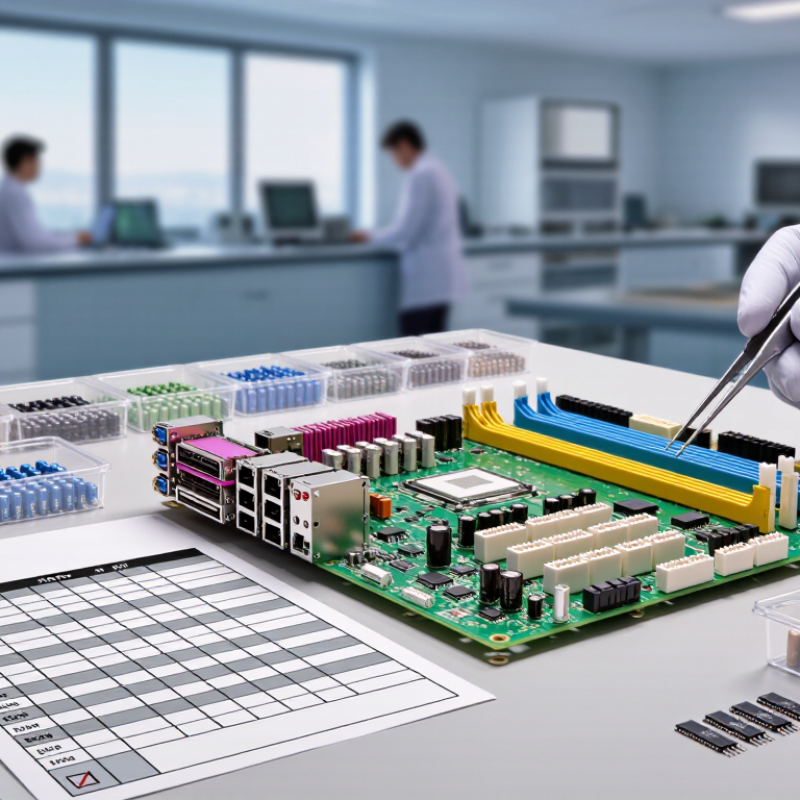
How to Buy PCBA With Components in 2026?

Define the PCBA Package: BOM, Gerbers, and IPC-2221 Design Requirements

When buying PCBA with components, define the package before requesting a quote. A clear BOM should list each reference designator, quantity, value, footprint, and approved component alternatives. Mark “do not install” positions explicitly. Add lifecycle or sourcing notes when a part is difficult to replace. Small gaps matter. A missing package size can trigger a substitution you did not expect.

Send Gerber files for every copper, soldermask, and silkscreen layer, plus drill data and a board outline. Include the stackup, finished thickness, copper weight, and surface-finish requirements. State which IPC-2221 design requirements apply, including relevant spacing, conductor-width, and annular-ring constraints. IPC-2221 informs board design; it does not replace a complete fabrication specification. In a handoff review, unclear revision control is a recurring source of avoidable rework. Check that BOM, Gerbers, and assembly drawings share the same revision. Then review connector orientation and polarity against the silkscreen. That omission happens.

Tips: Use one dated release folder. Include a centroid file and assembly drawing when available. Ask the assembler to flag unavailable parts before purchasing. Confirm any proposed substitute in writing; a close electrical match may still have a different footprint or thermal limit. Recheck your assumptions before release.

Illustrative external trace current capacity — Estimates use the IPC-2221 external-conductor equation, 1 oz copper (approximately 1.378 mil thick), and a 10°C temperature rise. Actual capacity depends on board construction, ambient conditions, and layout; verify requirements for your design.

Validate Components: Match MPNs, lifecycle status, and traceable sources

When buying PCBA with components, treat the bill of materials as a verification record, not just a shopping list. Match every manufacturer part number (MPN) exactly, including suffixes that may change package, temperature range, or finish. A near match is still a mismatch. Compare footprints and electrical ratings with the design files before approving any substitute.

Check lifecycle status using current manufacturer documentation, not an old quote or an unexplained spreadsheet note. Confirm whether a part is active, nearing end of life, or discontinued, and record the source and date checked. Keep the evidence. Datasheets, lifecycle notices, and supplier records should point to the same MPN. If they do not, pause and resolve the discrepancy before production.

Traceability matters after approval, too. Request lot or date-code information and retain purchase records linked to the build. These details help investigate a quality issue without guessing which components were installed. It is tempting to trust a clean spreadsheet, but that habit deserves scrutiny. A missing suffix or stale status can pass unnoticed, especially when schedules are tight. Small details matter. Keep a second reviewer involved for critical parts, and document who approved each exception.

Compare Quotes: Separate PCB, assembly, components, and NRE costs

When buying PCBA in 2026, compare more than the total at the bottom of a quote. Ask for four separate cost lines: bare PCB, assembly, components, and non-recurring engineering (NRE). Give every supplier the same board files, bill of materials, revision, and order quantity. Otherwise, a lower price may simply reflect different assumptions.

For the PCB, check layer count, thickness, copper weight, finish, and panelization. Assembly should show setup, soldering, inspection, and any test work. The component line should identify part numbers, quantities, sourcing fees, and proposed substitutions. Ask how shortages, excess parts, and component price changes are handled.

Small details matter.

A quote for 100 boards may carry a much higher setup cost per board than one for 500. NRE may include stencil fabrication, programming, tooling, or a test fixture. Ask which items are one-time charges and which recur with each order. Some suppliers group setup and stencil costs together, so request a clear breakdown rather than assuming the categories match.

Compare lead times, quote validity, and shipping separately, too. I would not treat the cheapest quote as the best without checking its assumptions; even a careful spreadsheet can miss a small fee. A side-by-side table makes gaps easier to spot.

Set Acceptance Criteria: IPC-A-610 Class 2/3 and J-STD-001

When buying PCBA with components in 2026, put workmanship requirements in the purchase specification—not just “IPC compliant.” IPC-A-610 defines acceptance criteria for finished assemblies, while J-STD-001 covers soldered assembly requirements. Specify the applicable revisions and acceptance class. Class 2 is generally suited to products requiring reliable service; Class 3 is intended for high-performance applications where uninterrupted operation is critical. A higher class is not automatically better. It can increase inspection and rework costs without improving fitness for use.

Make the criteria observable. State how the supplier should handle solder bridges, component alignment, cleanliness, repairs, and nonconforming boards. Request inspection records tied to production lots, plus clear approval rules for deviations. A practical check: compare the first article against agreed photos and measurements before authorizing the full build. That matters. A written class alone may not resolve every borderline visual call, so document examples that your team considers acceptable.

Traceability also deserves attention. Deloitte’s 2025 smart manufacturing survey reported that 92% of surveyed executives viewed smart manufacturing as a driver of competitiveness. That is a measure of executive opinion, not proof that digital records reduce defects. Still, linking component lots, inspection results, and rework history can make root-cause reviews faster. One detail buyers sometimes miss: agree who pays for added inspection and retesting before production starts. Specification gaps are easy to notice later.

Plan Inspection: AOI, X-ray, and ISO 2859-1 AQL sampling

When buying PCBA with components in 2026, agree on inspection criteria before the first production lot. Share the bill of materials, assembly drawings, and critical component locations with the supplier. AOI can check visible solder joints, polarity, missing parts, and component alignment. It cannot reliably inspect hidden connections beneath a BGA package. That matters. Use X-ray for those joints, and define what counts as an acceptable solder connection or void. Request clear images and inspection records tied to the lot, not just a verbal pass.

For lot acceptance, specify ISO 2859-1 sampling details, including the inspection level, AQL limits, and defect categories. Separate critical, major, and minor defects; a wrong-polarity safety-related component should not share the same threshold as a small cosmetic mark. Agree on lot size and rejection steps, too. AQL sampling estimates lot quality; it does not prove every board is defect-free. A common planning mistake is to select an AQL number without defining the defect rules. The plan still needs judgment. For early builds or costly assemblies, consider tighter checks and review recurring findings before relaxing inspection. Keep sample results, rework records, and supplier feedback together so the next order reflects what actually happened.

FAQS

What should a PCBA bill of materials include?

List each reference designator, quantity, value, footprint, and approved alternative. Mark unpopulated positions clearly.

Which files should I send for a PCBA quote?

Send Gerbers for copper, soldermask, and silkscreen layers, plus drill data and the board outline. Include stackup and assembly drawings when available.

What board details belong in the fabrication specification?

State finished thickness, copper weight, surface finish, and applicable spacing, conductor-width, and annular-ring requirements. IPC-2221 guidance does not replace a complete specification.

How can I reduce revision-related assembly errors?

Keep the BOM, Gerbers, and assembly drawings on the same revision. Use one dated release folder. Check connector direction and polarity against the silkscreen.

What cost lines should a PCBA quote separate?

Request separate costs for bare PCB, assembly, components, and non-recurring engineering. Ask what each line includes.

How should I compare component costs between suppliers?

Check part numbers, quantities, sourcing fees, and proposed substitutes. Confirm substitutions in writing; a similar electrical match may have a different footprint.

What should I check in setup and NRE charges?

Ask whether stencil, programming, tooling, or test-fixture charges are one-time or recurring. Small fees can hide in grouped setup costs.

Why can a larger order have a lower per-board setup cost?

Setup charges are spread across more boards. For example, 500 boards may carry less setup cost per board than 100.

Is the lowest PCBA quote always the best choice?

Not necessarily. Compare assumptions, lead times, quote validity, and shipping. I still sometimes miss a small fee, even in a careful spreadsheet.

Conclusion

Buying Pcba With Components in 2026 starts with a complete, unambiguous package. Provide the bill of materials, Gerber files, and relevant fabrication details, and confirm that the board layout meets applicable IPC-2221 design requirements. Before requesting production, verify each component’s manufacturer part number, lifecycle status, and source traceability so substitutions and supply risks can be addressed early.

Compare supplier quotes by separating bare-board fabrication, assembly, component costs, and non-recurring engineering charges. Agree on acceptance criteria in advance, including the appropriate IPC-A-610 workmanship class and J-STD-001 soldering requirements. Finally, establish an inspection plan that may include automated optical inspection, X-ray inspection where suitable, and ISO 2859-1 AQL sampling. Clear documentation, cost breakdowns, quality expectations, and inspection methods help make purchasing decisions more predictable and reduce avoidable delays.

Liam

Liam

Liam is a dedicated marketing professional with a profound expertise in the industry, where he excels at highlighting the unique advantages of our core products. With a keen understanding of market trends and consumer needs, Liam frequently updates our company’s professional blog, providing......